

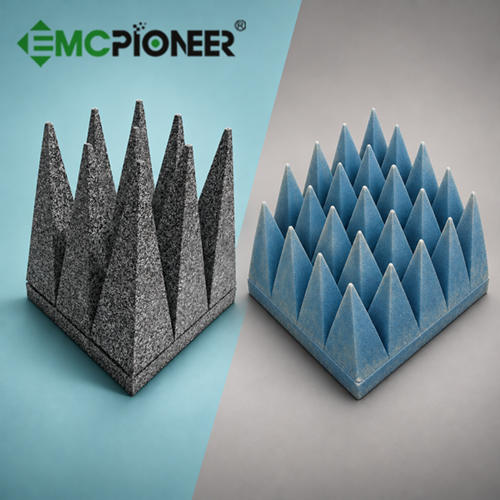
In EMC test chambers, microwave chambers, absorbing materials play a key role in suppressing reflections and reducing interference. Two base materials are widely used: PU (polyurethane) foam and EPP (expanded polypropylene). Compared to traditional PU materials, EPP absorbers feature comprehensive structural and performance upgrades:
1.Excellent moisture resistance
EPP boasts an extremely low water absorption rate. It will not undergo hydrolysis or powder over time—even in high-humidity environments—ensuring long-term stability of electromagnetic performance and a clean lab environment.
2.Superior Weatherability
PU materials tend to yellow and harden over long-term use, whereas EPP offers superior weather resistance.
3.Low-carbon shedding
PU absorbers are commonly made by impregnation, Over long-term use, vibration, or cleaning, it can shed as dust, which degrades electrical performance. In EPP absorbers the absorbing agent is generally combined with the base material during the molding process. It is distributed more evenly and bonded more firmly, so electromagnetic performance declines more slowly.
4.Lower Total Cost of Ownership
The extended lifespan significantly reduces ongoing maintenance hassle and frequency of material replacement, delivering long-term economic value to clients.
Selection Guidance
Each material has its strengths. PU absorbers feature a mature manufacturing process, lower cost, and good broadband performance, and they can serve for many years in dry, stable chamber environments. EPP absorbers are better suited to high-temperature and high-humidity conditions, or complex operating environments. When selecting an absorber, also consider flame-retardant rating, operating frequency range, and installation method.
latest articles
 Nov 05, 2026Why Do EPP Absorbers Last Longer Than PU Absorber?
 Oct 22, 2026EMCPIONEER Showcases at IME 2026 in Shanghai
 Sep 24, 2026Mid-Autumn Festival Holiday Notice
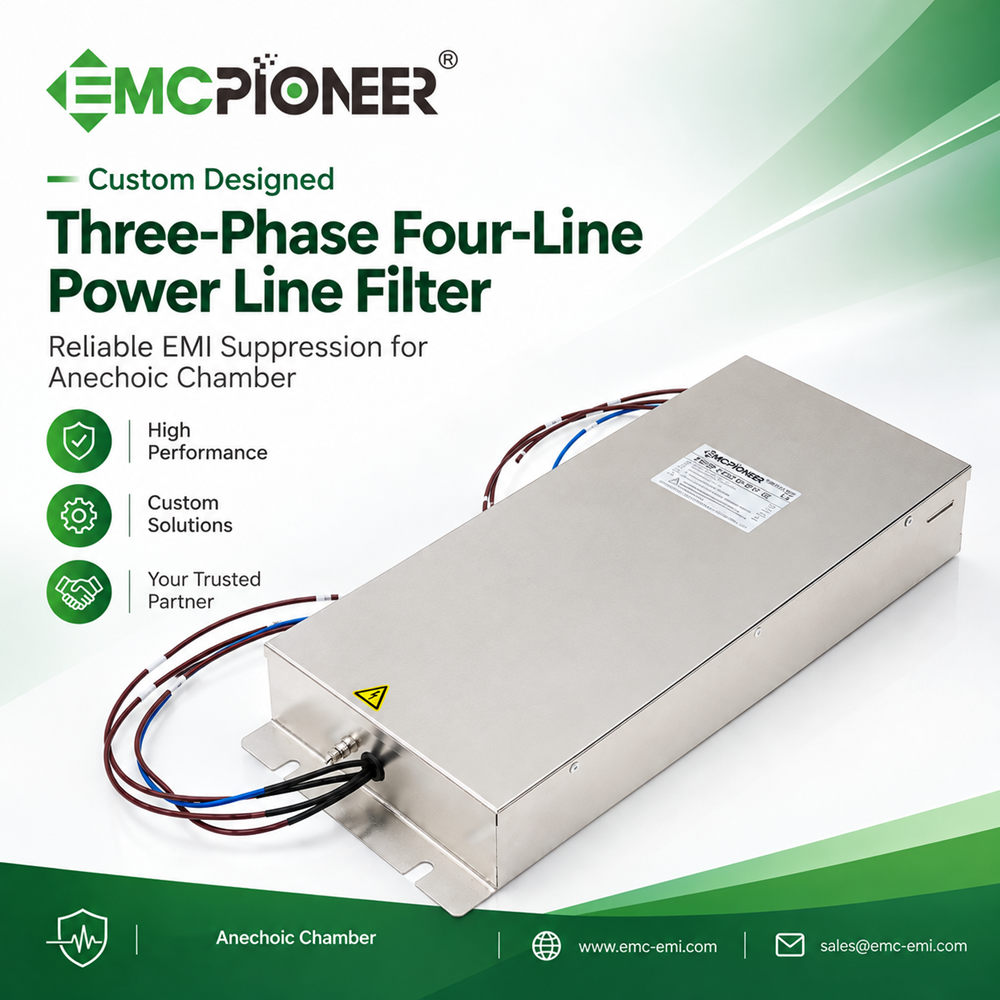
 Sep 18, 2026Custom Three-Phase Four-Line Power Filter for Anechoic Chamber Projects
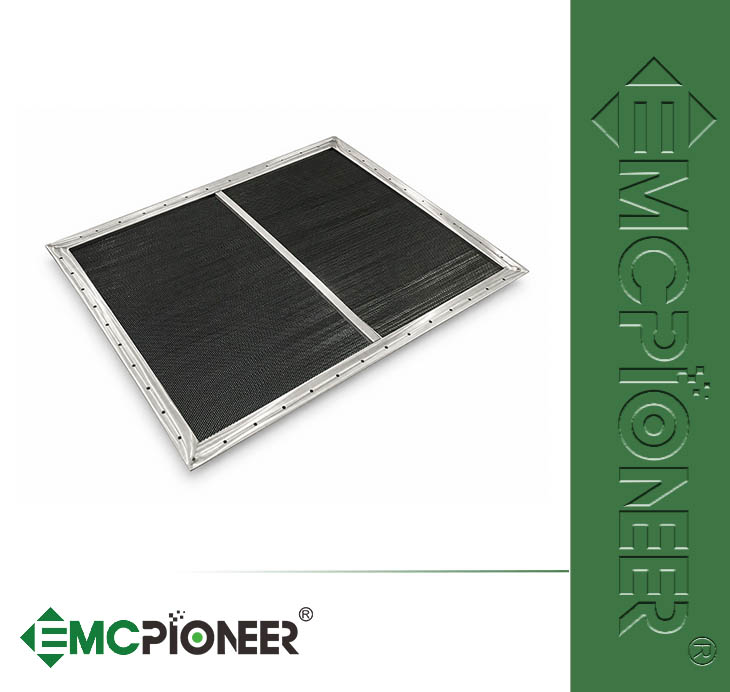
 Sep 10, 2026Custom Large Stainless Steel Honeycomb Vent finish production

Ask For A Quick Quote
If you are looking for more information on our services, or how we could potentially help, we would love to hear from you!